


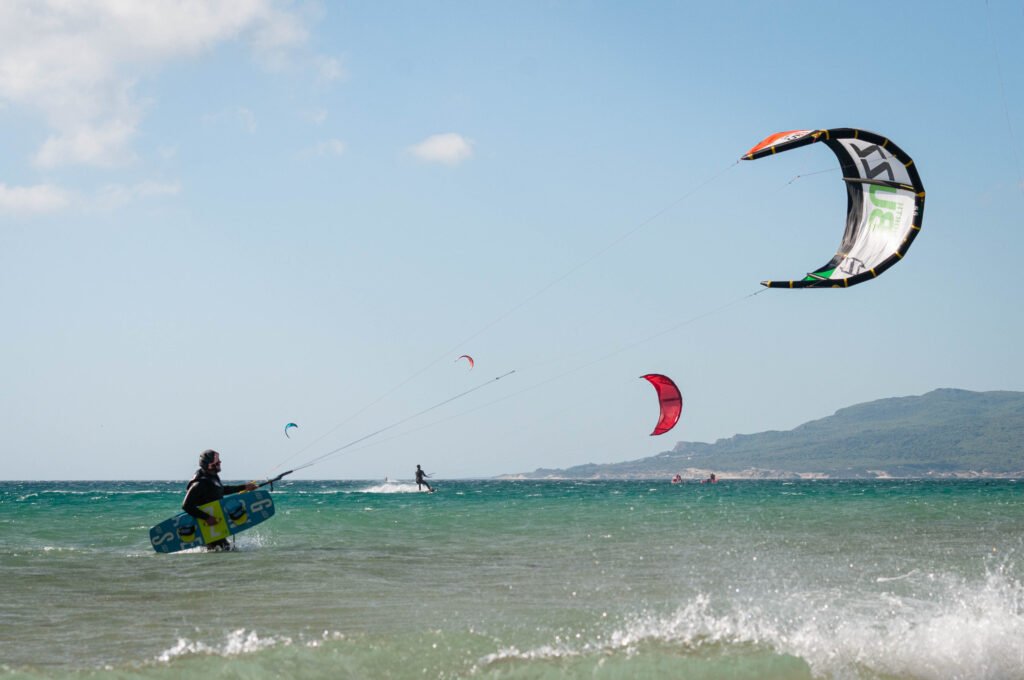
Surfing and kitesurfing have a way of pulling people in quickly. One good session is often enough to hook you for life. The ocean has that power. It’s addictive, and humbling all at once. But that same power is exactly why learning these sports properly matters so much.
The danger that excites you is the same danger that can hurt you.
Over the years I’ve seen people fall in love with the water, rush the learning process, and paying for it later…mainly me. I have had countless bruises, scapes, but also a sprained ankle, fractured nose, two torn ligaments and mostly recently a really nasty black eye and swollen cheekbone (bloody eye included, that I like to scare a few people with, hehe.) Majority of these injuries are from kook moves, cockiness, carelessness or just plain dumb.
Investing in surf or kite lessons early isn’t just about learning faster, it’s about learning responsibly. The ocean doesn’t reward ego or shortcuts. It rewards patience, respect, and knowledge. While getting hurt is the name of game in extreme sports where the risks are higher, it is not a requirement and most often avoidable. Especially those bad dumb ones which often happen in the shoreline. Things happen and we are always learning, but here’s what years of board sports, physiotherapy and life has taught me.
The danger that excites you is the same danger that can hurt you.
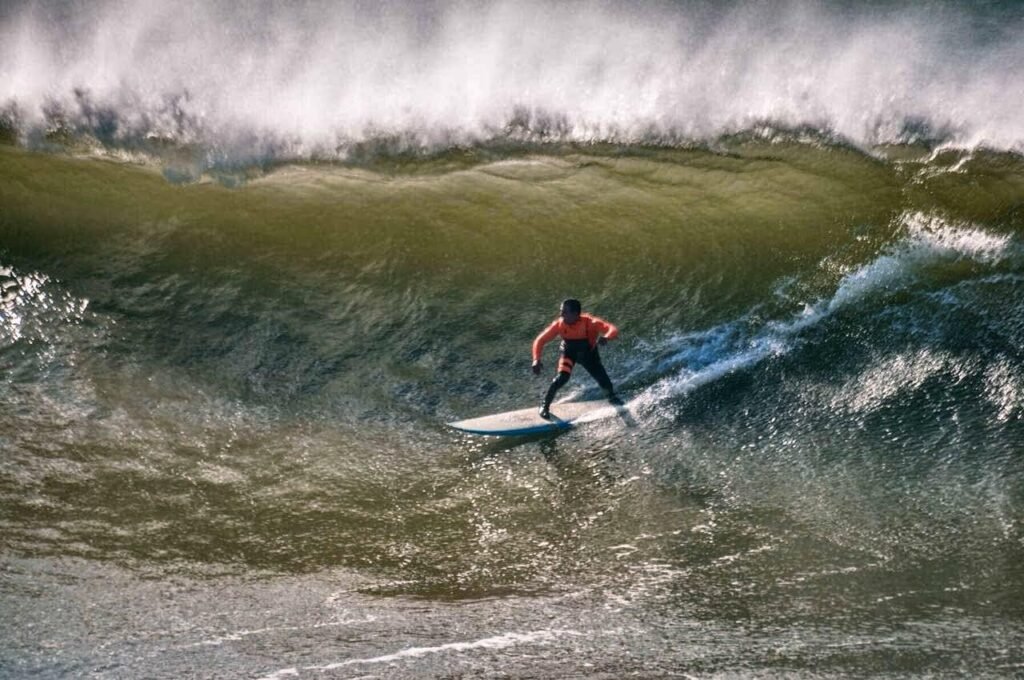
Investing in Surf & Kitesurf Lessons Will Save You Money
Many beginners hesitate when they see the cost of lessons. Renting gear and learning with friends can seem like the cheaper option at first. I did this with surfing, and if I could go back I would have spend more time and money investing in the professionals that surrounded me. I lost many years learning just the basics, especially since I didn’t go often and didn’t study any theory or train on offseason or regularly.
In reality, skipping lessons often ends up costing far more. Not just in dollar value but your health. Which of course is priceless.
Surfing and kitesurfing is more than waves and wind, it involves equipment, weather conditions, and safety procedures that beginners simply don’t understand yet.
Without proper guidance, it’s incredibly easy to damage equipment, hurt yourself, or create risky situations in the water or worst on the beach for not just you but everyone else too.
A beginner dropping in on another surfer can cause a collision that breaks boards, fins, or worse severely hurt someone. A poorly launched kite can drag someone down the beach or into obstacles. Cue this week’s injury: Power zone + late safety release = nasty black eye. Equipment failures caused by improper rigging or lack of maintenance are also common when people teach themselves. Without studying or following industry standard practices or latest information can be risky, those pioneers of kitesurfing and surfing already did the trial and error and we have access to their experiences, why re-invent the wheel?
Professional instructors teach the fundamentals that protect both you and your gear.
You learn how to read the ocean, how to position yourself safely, how to launch and land a kite properly, and how to respect the rules of the lineup.
Just as importantly, instructors accelerate the learning process. Instead of struggling for months or years as a beginner, you build a solid foundation from day one. I still remember snowboarding in the West Coast of Canada and these Aussies would come barreling past me on the mountain, hitting jumps and riding strong, and I would ask how long have you been riding? “Two weeks”. I immediately would sink into my ski jacket, replying in a whisper “10 years” shamefully as a Canadian rider. But that example is the same for any sport, if you practice everyday for two weeks straight vs a few times per season, your skill set is going to improve drastically. Let’s also consider accessibility financially, physically or otherwise. Sports are not cheap!
In the long run, proper lessons do save you time and money, but more importantly prevents unnecessary accidents or injuries thus saving more money on doctors, medical expenses and not working. Not to mention insurance premiums if claiming often enough. For every time, I skipped paying for coaching, I paid x2 in a medical fees, more expensive and less enjoyable lessons.
The Dangers of Getting Cocky
Confidence is a natural part of progression in sports. But there’s a fine line between confidence and arrogance.
Once beginners catch their first waves or manage a few successful kite rides, it’s easy to believe they’ve “figured it out.” That’s when the most dangerous mistakes often happen. It really turns me off when a school that says after a few sessions that you can practice on your own or try to sell you gear. Maybe in low risk destinations but even still, it’s really silly for both the student and school, I mean wouldn’t a business want to make more money on lessons? And who likes that kook who drops in or snakes in a lineup than misses a perfect glassy wave? Or doesn’t know priority was you meet going upwind. No one that who. lol.
Dropping in on another surfer is one of the most common errors in a crowded lineup and also one of the most annoying. Yup, I’ve done that…mostly on my patient, more experienced surfer friends who called me out. Not understanding wave priority can create collisions that injure both surfers and destroy equipment. Luckily, I just stole their wave or ruined their ride, only hurt feelings thankfully. Sometimes the best way to learn or remember is a social scolding. Dirty looks can be enough.
In kitesurfing, launching a kite too quickly, poorly or without proper checks can be dangerous. A poorly controlled kite can generate enormous power in seconds. If something goes wrong during launch like tangled lines, sudden gusts, or incorrect positioning then the rider can be dragged violently. Cue: My recent nasty black eye mention… thank god it was a bruised cheek and not far worse. An expensive doctor visit only, luckily.
These situations happen all the time when people get cocky or arrogant. Not maliciously, it is human nature.
Professional instruction teaches awareness and discipline. You learn how to read other riders, how to assess situations before committing, and how to make safe decisions under pressure. You don’t have to be serious but at self aware and informed.
Surfing & Kitesurfing reward humility. The moment someone becomes careless or overconfident is often the moment things go wrong. (Trust me, I learn this at least once a year it seems, typically during Ramadan in Morocco, I always say God or the universe is humbling me.) ALWAYS ASK FOR HELP when you need help launching your kite, bringing your kite down or whatever you might struggling with. Watersports are inherently risky and it is a community out there, stay humble and make some new surf buddies!


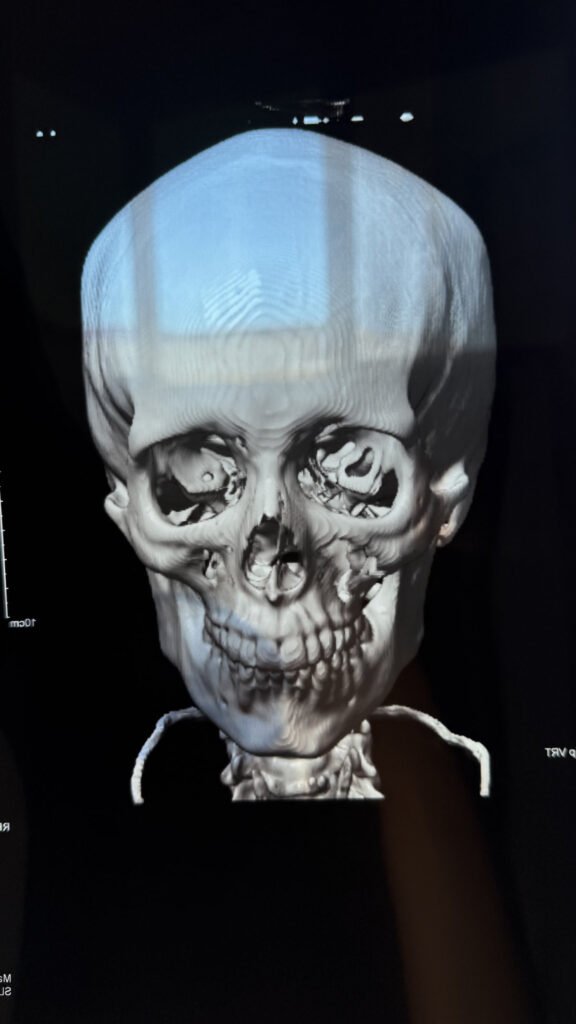
In kitesurfing, launching a kite too quickly, poorly or without proper checks can be dangerous… thank god it was a bruised cheek and not far worse. An expensive doctor visit only, luckily, a private lesson would have been cheaper.
on my most recent kitesurfing accident

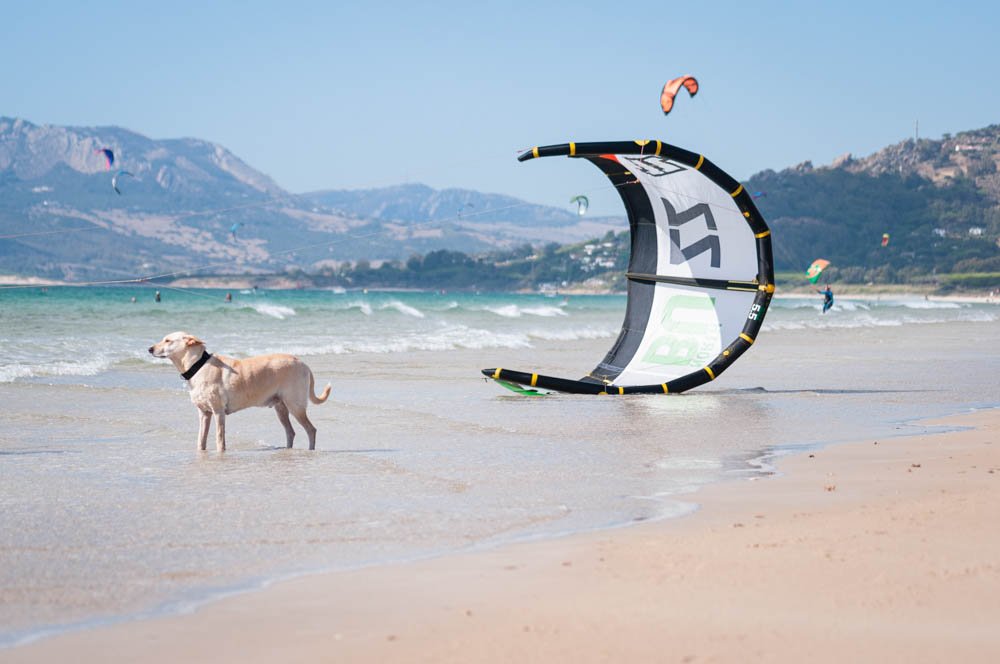
Protective Gear and Checking Equipment Regularly
One of the biggest differences between beginners who learn professionally and those who don’t is how seriously they take equipment safety.
Surfing and kitesurfing gear may look simple, but every piece plays an important role.
In surfing, something as small as a loose leash can become dangerous in the water. A broken leash can mean losing your board in heavy waves or crowded conditions. This most often hurts others, which is also a liability on your part, there is a vulgar industry of personal injury lawyers in the US.
In kitesurfing, the equipment system is more complex. Your harness, safety leash, quick release systems, lines, and kite all need to be checked regularly. Otherwise, it is an expensive loss either of equipment or your health.
Professional instructors teach students to inspect their gear before every session. This includes checking that:
- Surfboard fins are secure
- Leashes are properly attached and undamaged
- Kite lines are free from tangles or wear & connected securely
- Safety release systems function correctly
- Harnesses and safety leashes are attached properly
Protective gear also plays an important role, especially in certain conditions.
Helmets, impact vests, and wetsuits provide additional protection in rocky areas, strong wind conditions, or crowded spots. While they are not always required, why the unnecessary extra risk? I would rather look like less stylish than injured. (Wow, I just heard my wisdom kick in, newbie me would beg to differ on that point.) I mean as you become more experience you can take a few more risks but again that can be where an injury comes in to humble you again.
These habits might seem small, but they prevent accidents that could otherwise end a session or an entire season or dare I say worse.
Avoid Surfing or Kitesurfing Alone
The ocean is unpredictable. Conditions change quickly, and even experienced riders can run into trouble.
Surfing or kitesurfing alone significantly increases risk.
If something goes wrong like equipment failure, injury, or sudden weather changes by having someone nearby can make the difference between a manageable situation and a serious emergency.

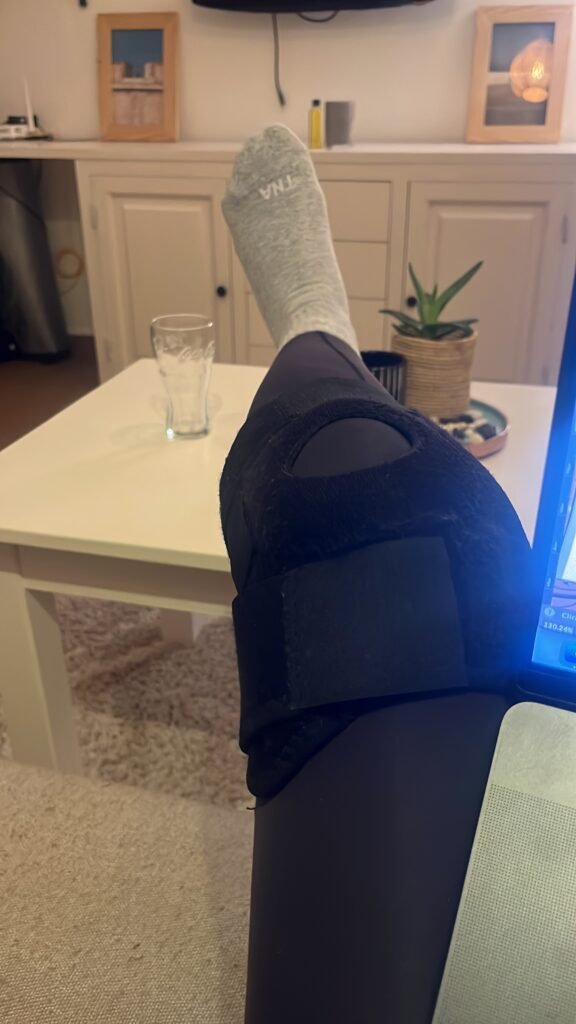
Surfers face hazards such as riptides, rocks, and powerful waves. A strong current can pull someone further from shore than expected, especially when fatigue sets in. A wind gust can pull the kite at the same time as a wave breaks on your board, this is exactly how I torn two knee ligaments and grateful it was in the shoreline surrounded by tons of kite instructors to help me out.
Kitesurfers deal with way more risks and complications. Wind conditions can drop suddenly, leaving riders stranded far offshore…I once sat an hour waiting for the current to bring me back to the beach because of this, again thank god it was back to the beach and not out to sea. Not all kite spots will have rescue boats.
Launching and landing a kite safely often requires assistance. (Again, my dumbass learnt the hard way). Get another experienced kiter or instructor to help you launch, especially in gusty conditions. Equipment failures in deep water can also become difficult to manage alone, kitesurfing requires knowing how to self rescue.
Plus, riding and surfing alone while sometimes is freeing, the more the merrier is almost always the case. Good peeps = good vibes. But even if you are a lone wolf, go where there are still other solo riders or groups nearby that can help out if you need.
The ocean is always safer when people look out for one another. Surf life is really not a solo adventure.

Off Season Training, Recovery, Rest
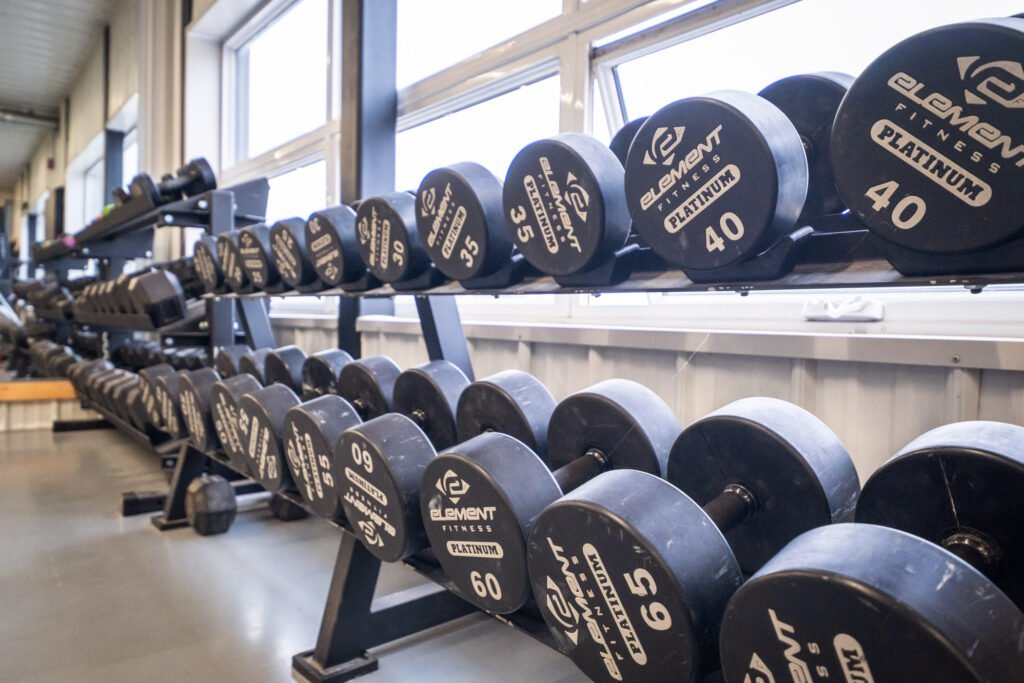
The biggest difference I noticed in my progression has been the off season training, recovery and rest between sessions and training. Surf and Kitesurfing require upper body strength especially in shoulders and back muscles as well as hip, knee and ankle mobility. Regularly training, recovery and mobility work not only improves your surfing and kiting progression but as well as any post session body aches. In the beginning and learning takes a lot more energy and muscle. Building but also maintaining those muscles out of the water or during the off season keeps that strength and also is just great for your overall physical and mental health. But overtraining or improper training is probably one of the major causes of injury. It wasn’t until working with physiotherapists and major injuries did I learn how active recovery is equally as important as training itself. This is also when I notice the biggest change in the water. When I go surf or kitesurf after a rest and between training when my muscles are relaxed, I have more strength and energy to paddle, fly and also more focused. All of these leading to safer more fun sessions. Investing in some personal training or a surf specific coach is a great tool to improve. Hitting the gym becomes a non-negotiable in my life now as I age, weight lifting improves bone density, muscle mass and reduces osteoarthritis and osteoporosis. Despite injuries, I want to continue surfing and kitesurfing as long as I can breathe no matter how good or bad I am at it. It brings joy to my life and purpose. And while I get annoyed to skip a bigger wave session or those perfect conditions I know my limits and skip it if I think I might be too sore or tired to avoid injury. This is maturing I think lol. I know the recovery is longer and more serious as I age.
Physiotherapy : Injury Recovery & Prevention
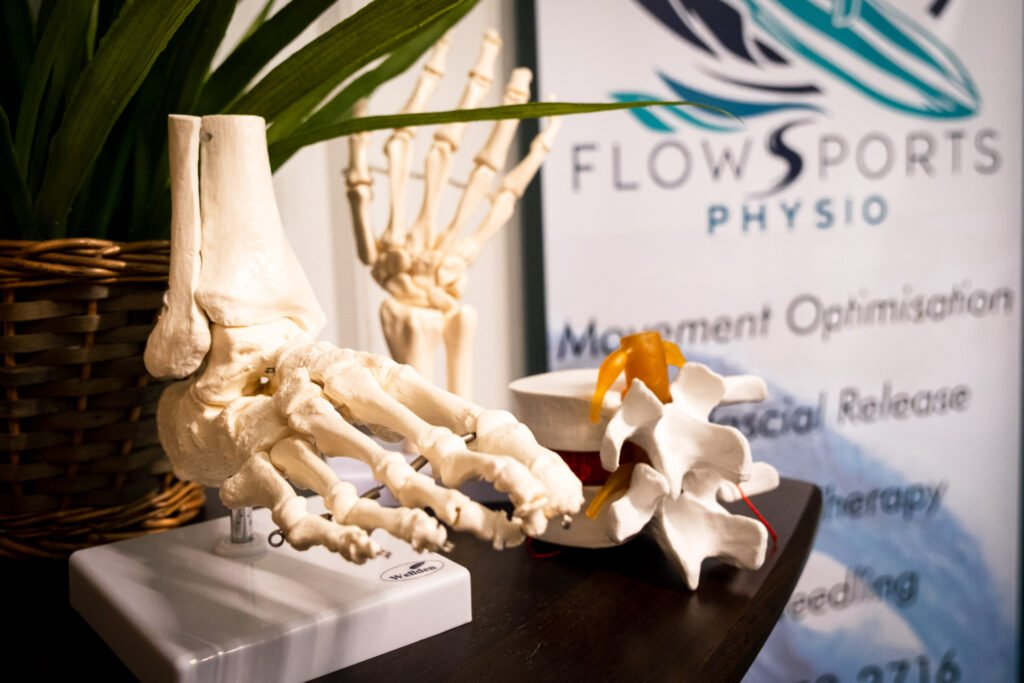
Sometimes injuries are inevitable with high risk sports, part of the game they say. But other times, injuries are actually a result of bad habits, poor posture to functional patterns. An experienced physiotherapist is a great resource to quickly recover from injury and recover stronger, After tearing the meniscus in my knee, I couldn’t walk. I had fell while bouldering at local climbing gym and limped over to the hospital, during covid, so it was already strained healthcare system, but he said go to a physiotherapist and get an MRI later on. No follow up, no crutches and I grabbed a taxi home. Luckily, a surfer friend recommended another surfer/physiotherapist who offered at home service, he came and we began active recovery immediately, six years later and I am stronger, more physically capable and knowledgable because of it. Read more in the related article “Why investing in physiotherapy will change your life.” Physio exercises improve mobility (key to injury prevention), strength training (improves joint support and bone density which protects ligaments and fractures). If you are a surfer in Montreal and need a surf & sports experienced physiotherapist hit up Eugene from Flowsports Physio.
Diet, Hydration & Nutrition

Sports, especially watersports require proper nutrition and a fairly healthy diet. I mean I think back to my youth as a snowboarder, partying, smoking, eating terribly and was like yea I could handle it. But sober wise reflection I realize my skill level and capabilities could have been far more if I spend the same amount of time focused on diet and exercise, I mean I was active and ate fairly well but not exactly disciplined. I then went the other extreme, no alcohol, sugar, low fat diet, which is great but not long term sustainable. Now I try to find more balance with moderation. Hydration is of course a necessity but more so when sun or heat stoke can be a risk. Also, to maintain muscle mass and energy levels, high protein diet is crucial. But a heavy meal before entering the water isn’t ideal either, Best for a banana and few almonds or something light and non stomach upsetting is key to any energetic surf or kite session. Also, being well rested will avoid poor judgement. Save the indulgence for post surf beers and a big meal to refuel. Then maybe a sunny beach nap.

Overcrowded Spots and Unpredictable Beginners
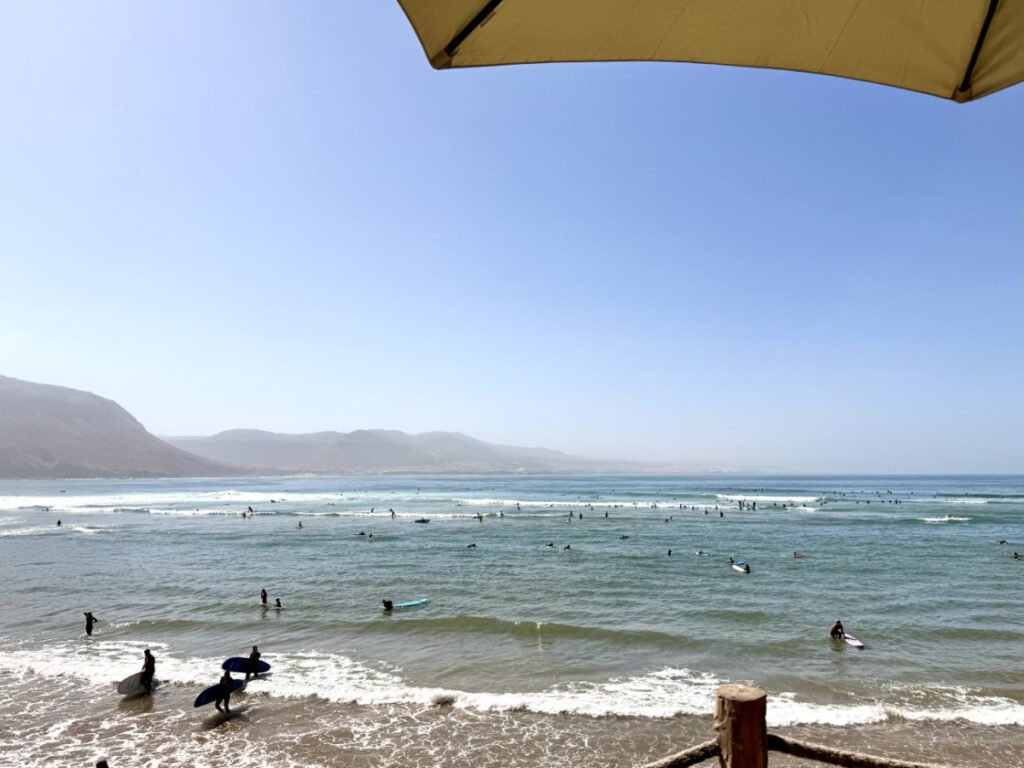
Some of the most dangerous situations in surfing and kitesurfing happen in busy locations. Imsoaune was once a surfers paradise, a long right-hander you could ride all the way in to the beach…the longest in North Africa. And now…on average there is over 200 people in the water, majority students and surf schools. Honestly, my happy place, a place I compared to heaven…is a place I rarely surf when I visit. Maybe dawn patrol or on Cathedral spot which makes sense sine I prefer a shorter board and more powerful waves. Which isn’t a bad thing, I am thrilled to the locals and businesses who have steady income and revenue, building a solid economy for people there. No longer the surf secret, but it does come with some elevated risks.
Popular spots attract riders of all levels, and not everyone understands the rules or has the skills to navigate crowded conditions safely. I will never forget a kook dropping in on me while I used my friends newly shaped longboard which was her prized possession, and clearly said, just don’t ding it. I dinged it. Well he did but still it happened.
Beginners often move unpredictably. They may lose control of their boards, misjudge wave direction, or struggle with kite control. As I improved, my patience fades. But in reality, I am still that struggling learner as we all really are. Mix impatient surfers and oblivious newbies and it can be a fatal mix. Cue 90’s localism and physical aggression known to the sport. While Localism is a relic of the past, the dangers of fins, head injuries and gear damage is a constant to be aware of in any surf spot.
Learning how to manage these environments is a skill in itself.
Professional coaching teaches riders how to position themselves strategically, how to anticipate other surfers’ movements, and how to avoid dangerous situations before they develop. They get you more than riding, they make you an autonomous and safe rider. Respecting beginners is also part of ocean etiquette. Everyone starts somewhere, and experienced riders need to remain patient while maintaining safe distance.
A good surfer or kitesurfer doesn’t just control their own equipment, they read the entire environment.
Choosing the Right Instructor and School for Your Needs
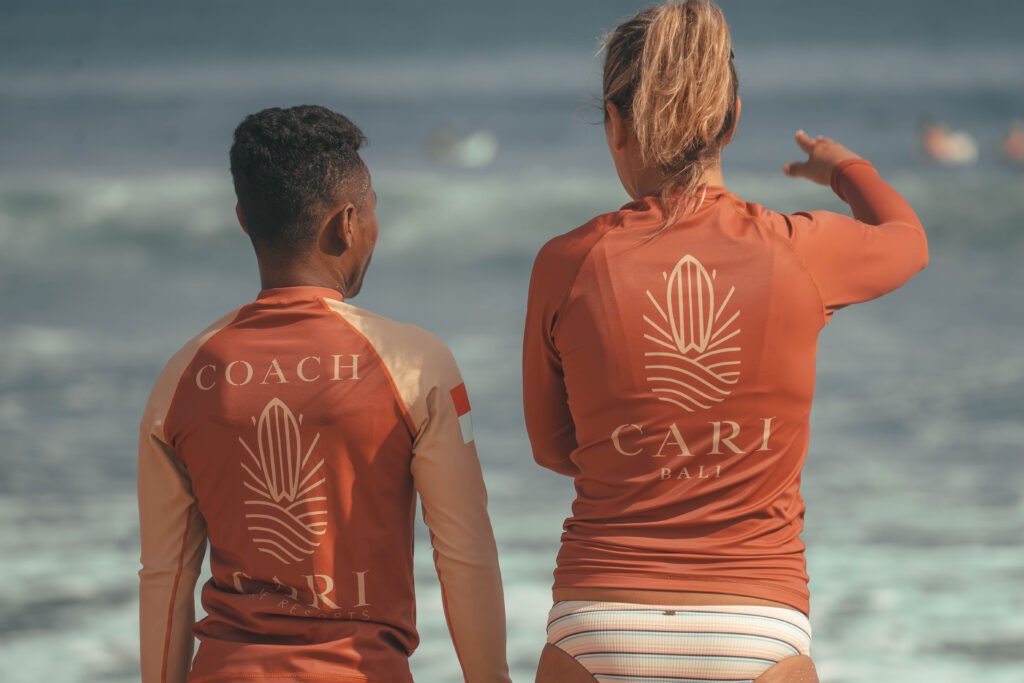
Not all lessons or instructors are the same, and choosing the right school can make a big difference in your experience and progression.
For those who are serious about the sport, investing in experienced and certified instructors is essential. People who want to play hard and want to level up should look for instructors with real years in the water. Sometimes that also means choosing instructors who are a little older and carry more life experience. They’ve seen more conditions, more mistakes, and more scenarios unfold in the ocean. That kind of experience matters when things don’t go exactly as planned. But also still passionate about teaching and engaged in the lessons.
For riders who want to progress quickly, technical knowledge and structured coaching are key. Certified instructors understand progression systems, safety standards, and how to break down skills properly. They know how to correct bad habits early before they become harder to fix later.
On the other hand, if your goal is simply to enjoy a fun holiday activity with family or friends, the individual instructor’s background is less important. In that case, the experience of the school owners and managers becomes more important. Good operators understand their local environment extremely well. They know when conditions are safe, when to wait, what equipment is appropriate for different riders, and how to direct younger instructors to run sessions properly. But they also have years of experience with different clients and personalities, they can navigate the pre-anxieties and also know how to match instructors to students.
A well-managed school ensures that lessons happen at the right time of day, with the right equipment, and in the safest areas of the beach or break.
Doing a little research before booking also helps. Professional schools usually provide clear information about their services, safety standards, and experience. Their websites often reference training standards, certifications, and how long they have been operating. You can also check Google Business pages or TripAdvisor reviews to see feedback from past clients.
If you want to ask questions, but keep them simple and practical. You might ask if they carry insurance, how often equipment is maintained, or how instructors manage different ability levels. But there’s no need to overdo it. Schools stay in business because they successfully teach hundreds of clients who all arrive with similar concerns. Client safety and equipment maintenance are always top priorities. For real, they want repeat clients and equipement to last, because surf and kite gear is seriously expensive.
And once you’re in the lesson, one of the most important things you can do is simply listen to your instructor.
They do know better than you, that’s why they are teaching and you are not.
However, your own instincts still matter. If at any point you feel overly nervous, uneasy, or believe your safety might be at risk, it’s perfectly reasonable to pause. Take a moment, breathe, calm your nerves, and reassess the situation with your instructor.
Panic and anxiety are often the first steps toward injury. They cloud judgment and can lead to rushed decisions or mistakes. For every session I go out rushed or flustered I come back with some kind of injury. No instructor can out-teach your inner monologue, they may offer breathing exercises or methods but any instructor will get lost.
Learning should feel exciting and relaxed. Not careless but calm. When students are comfortable and focused, that’s when real progress happens.
Professional Coaching is a Lifelong Journey
One of the biggest misconceptions about surf and kitesurf lessons is that they’re only for beginners.
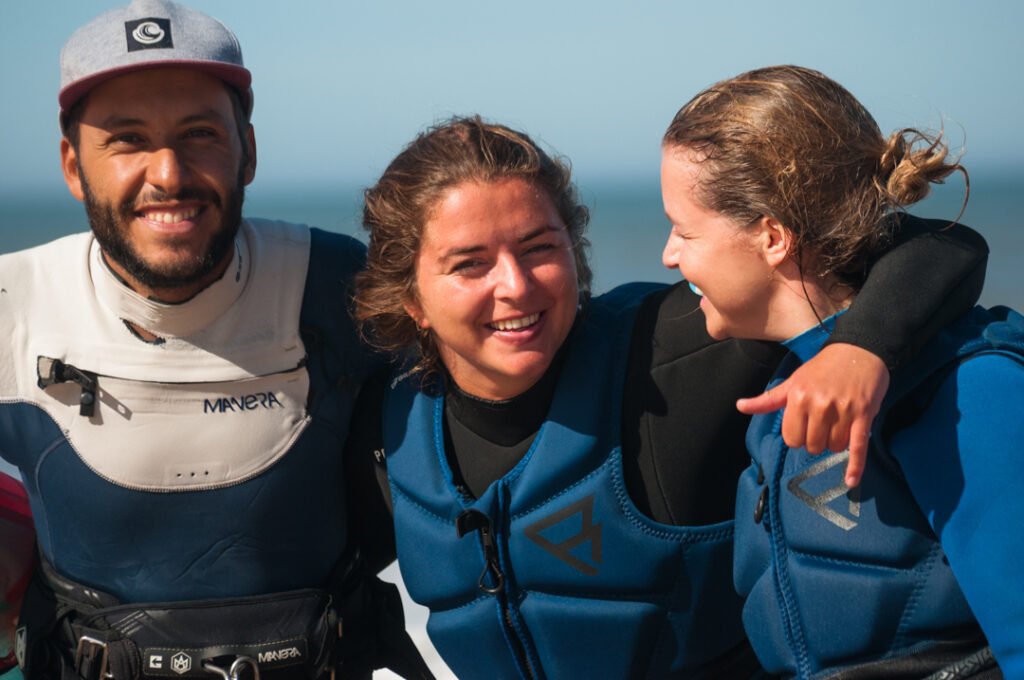
In reality, professional coaching remains valuable at every stage of progression. Look at professional athletes, they always have a team of coaches behind them. Coaching is for all levels. Elite coaching can really transform your level quickly.
As riders improve, they begin exploring more advanced maneuvers, bigger waves, stronger winds, and more complex conditions. Each new level introduces different risks.
Learning to handle crowded lineups requires refined positioning and wave judgment. Advanced kite maneuvers require precise control and timing. Riding in stronger winds or larger surf demands deeper understanding of safety systems and environmental awareness.
Those professional athletes that continue working with coaches to analyze technique, refine movement patterns, and train for increasingly challenging conditions. The same principle applies to everyday surfers and kitesurfers. Coaching helps riders progress safely, avoid bad habits, and build confidence in more demanding environments.
Most importantly, it reinforces something every ocean athlete eventually learns:
The ocean never stops teaching.
No matter how many years you spend in the water, there’s always more to learn, more to respect, and more ways to improve.
Surfing and kitesurfing offer some of the most rewarding experiences the ocean can provide. The freedom, the connection with nature, and the pure joy of riding wind and waves are hard to match. But these sports also carry responsibility. Learning with professional instructors builds the foundation for a lifetime in the water, one based on safety, respect, and solid skills. It protects not only you, but everyone sharing the ocean around you.
Because in the end, the goal isn’t to enjoy riding waves not fear how they can hurt you.
It’s to keep doing it (safely) for many years to come. My 80 year old self will need my knees.
Looking for a surf or kitesurf school? Check out our surf & travel guides in the shop.
Or head over to our SURF & KITESURF CAMP SECTION or our SURF DIRECTORY.